- Details
The gemstone known today as zircon has a long history and has been known by many names throughout the ages. The earliest references to the origin of its name can be traced back to the Old Persian word zargun, meaning gold-coloured, and the Arabic word zerquin, meaning vermilion. These terms evolved into the French word jargon (Old French jargonce, jacunce). A synonym is the term “hyacinth”, which in ancient times probably referred to other gemstones. This name originates from the Greek hyacinthos or the Latin hyacinthus, which were actually the names of a blue flower. Therefore, in ancient times, this name probably referred to a blue or purple mineral, presumably sapphire or amethyst. According to Gaius Plinius Secundus (23–79 AD), the hyacinthos was a purple stone associated with the carbunculus and was therefore probably amethyst.
During the Middle Ages, the name “hyacinth” came to be used for a wide range of colours. Albertus Magnus (1193–1280) distinguished between two types: the whitish-yellow hyacinthus aquaticus and the transparent blue hyacinthus saphirinus. During the Renaissance, “hyacinth” was used to refer to colours ranging from yellow to reddish-brown, particularly red. Georgius Agricola (1494–1555), known as the “father of mineralogy”, described the typical colour as “hyacinth red”.
In the 18th century, the names became more differentiated. In 1773, Brückemann noted that jewellers used the term “cerconier” for the white, clear “Oriental hyacinth” for unknown reasons. It was assumed that this name had evolved from a change or variation in the pronunciation of the French term jargon.
The name “zircon” first appeared in 1780 in the catalogue of minerals compiled by the renowned German mineralogist Abraham Gottlob Werner (1749–1817). He used it to describe the colourless variety of hyacinth. He used the traditional name “hyacinth” for reddish-brown stones, and “jargon” for yellowish-brown ones. At that time, the synonymous names “circonius” for zircon and “schargon” or “sargon” for jargon were used.
In 1789, the German chemist Martin Heinrich Klaproth proved the presence of zirconium earth (zirconium oxide) in zircon, thus establishing it as a mineral in its own right. In 1795, Klaproth analysed hyacinth and found that its chemical composition corresponded to that of zircon. Hyacinth was then assigned to zircon in the mineral classification.
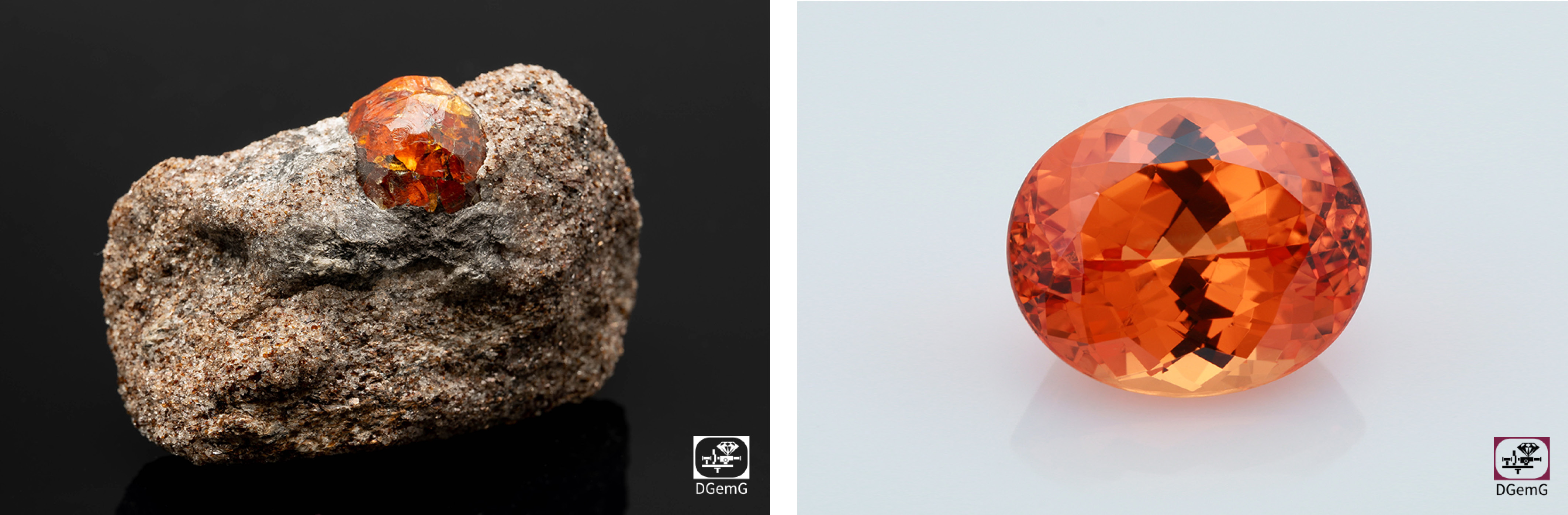
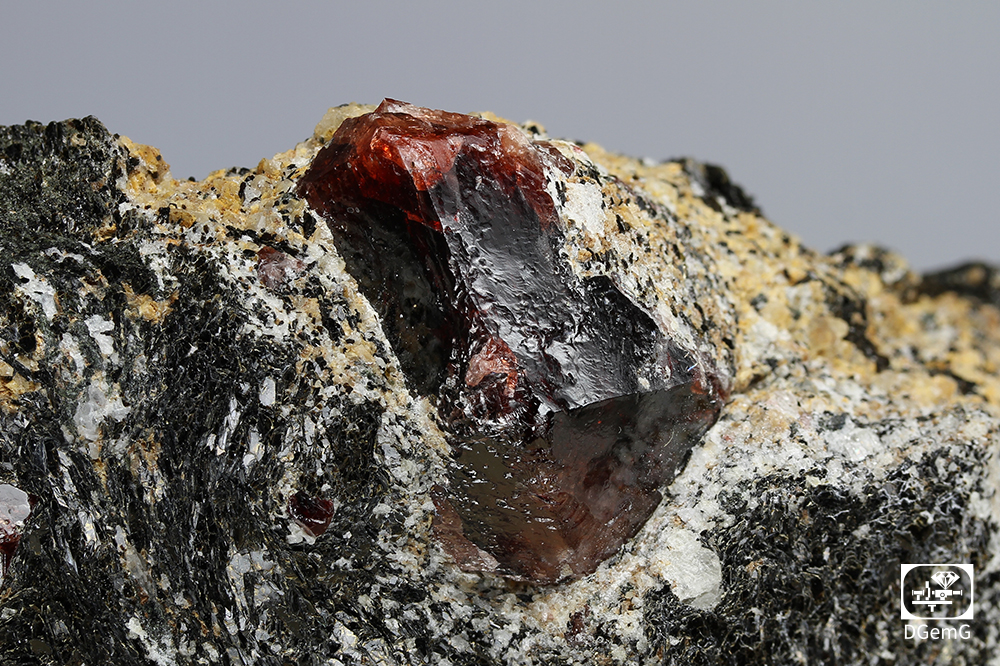 A zircon in the host rock. Image width 5 cm. Photo: DGemG
The increasingly widespread use of the name “zircon”' reflects a shift in focus towards the chemical composition of minerals as opposed to their external characteristics, particularly colour, which had been the predominant factor for many centuries. However, the term “hyacinth” has retained its original meaning in some cases to this day. In his 1860 “Handbook of Gemmology”, Karl Emil Kluge used the term “hyacinth” for “precious zircon” (“Oriental zircon”) and also mentioned the name “zirconite” for “common” zircon.
In his 1969 book “Edelsteine und Perlen” (Gemstones and Pearls), Karl Schlossmacher also refers to the brown to reddish-brown zircon from Thailand and Cambodia as “hyacinth”. Similarly, W. F. Eppler still names yellow to reddish-yellow zircon “hyacinth” in his 1973 book “Praktische Gemmologie” (Practical Gemmology).
However, the old names also retained their meanings. In his 1896 book “Edelsteinkunde” (Gemstone Science), Max Bauer mentions jewellers using the terms “cerconier” or “jargon de Ceylon” for pale yellowish to colourless zircon.
Thus, the name evolved from zargun in Persian, to jargon in French, to cerconier, and finally to zircon, with the name “hyacinth” still occasionally used today.
The most important deposits of gem-quality zircon are found in Asia, where specific names have developed in the respective, sometimes historical national languages. In Burma (now Myanmar), the term Gaw-mate or Gaw-meik is used, meaning “strength”. In Sri Lanka (formerly Ceylon), colourless zircons were called “Matara diamonds” in the 18th century, after a city in the south of the island. This name refers to their special properties, which are similar to those of diamonds — namely, their strong brilliance and high dispersion — and has led to confusion over the centuries.
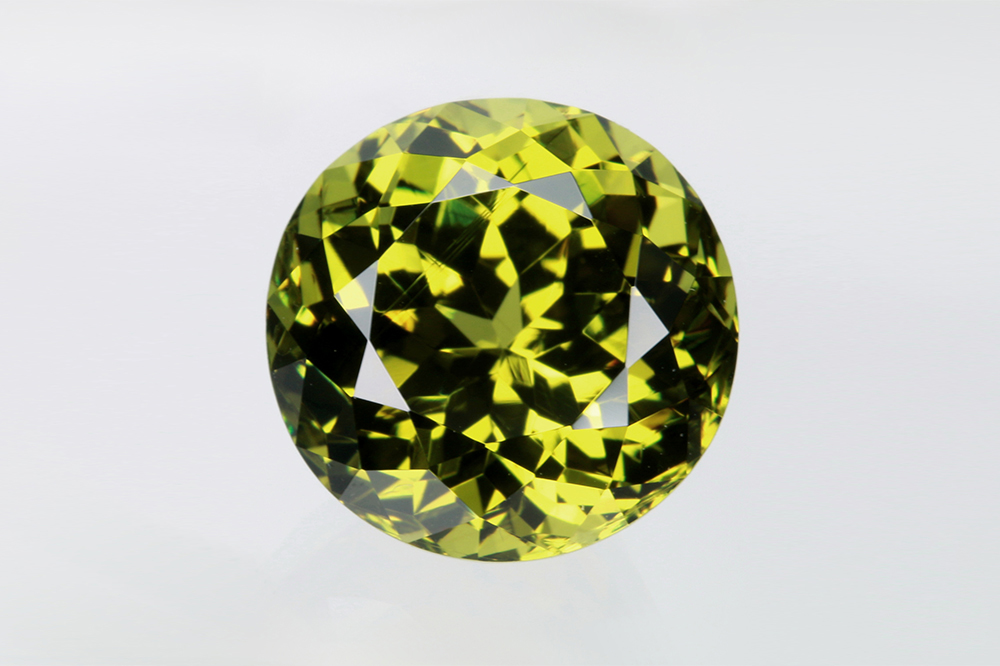
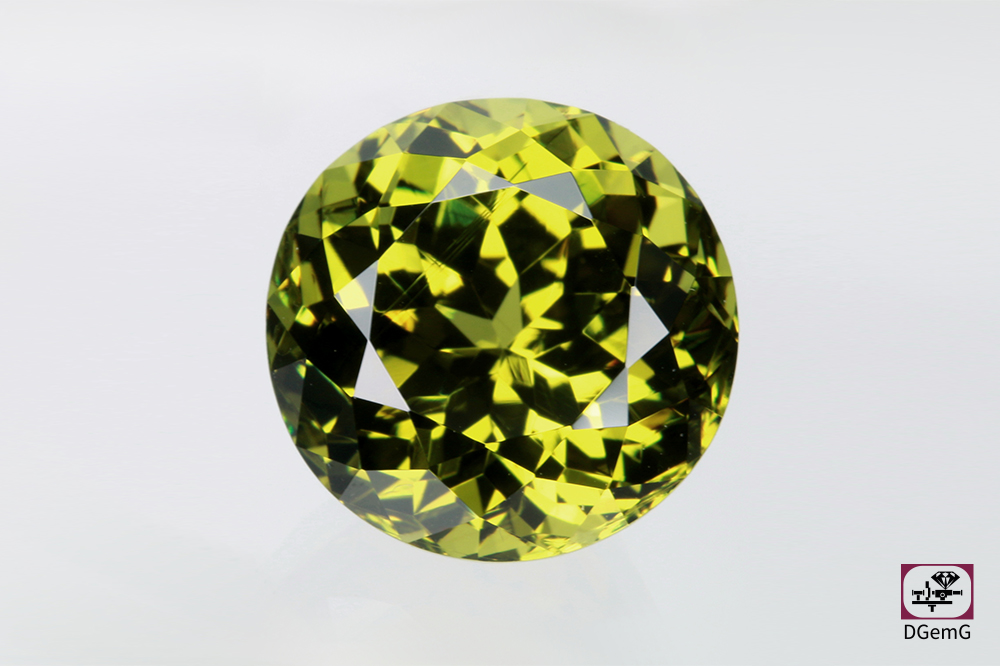
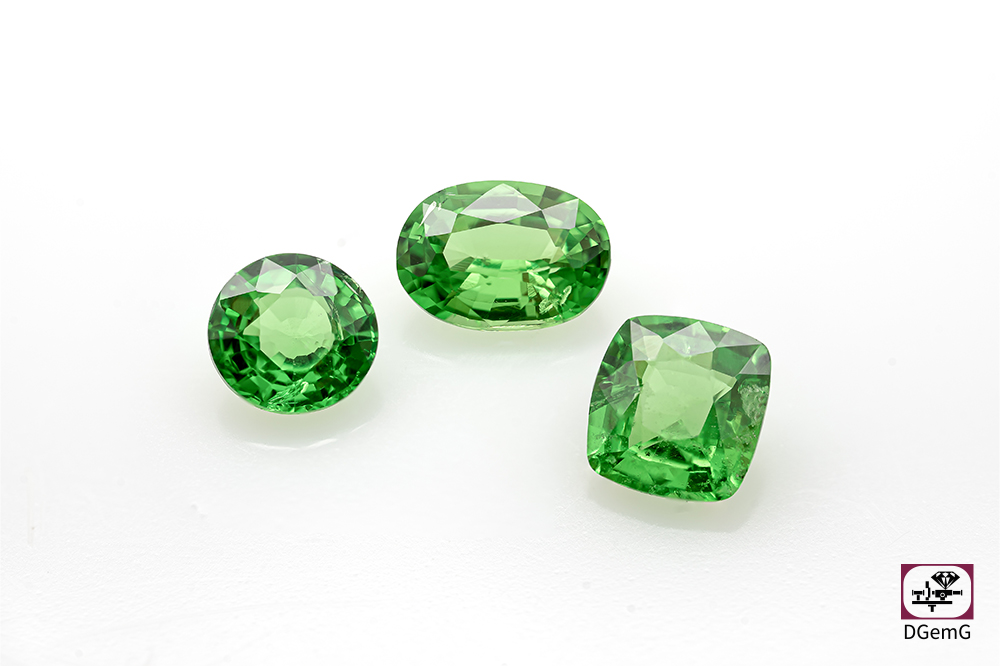
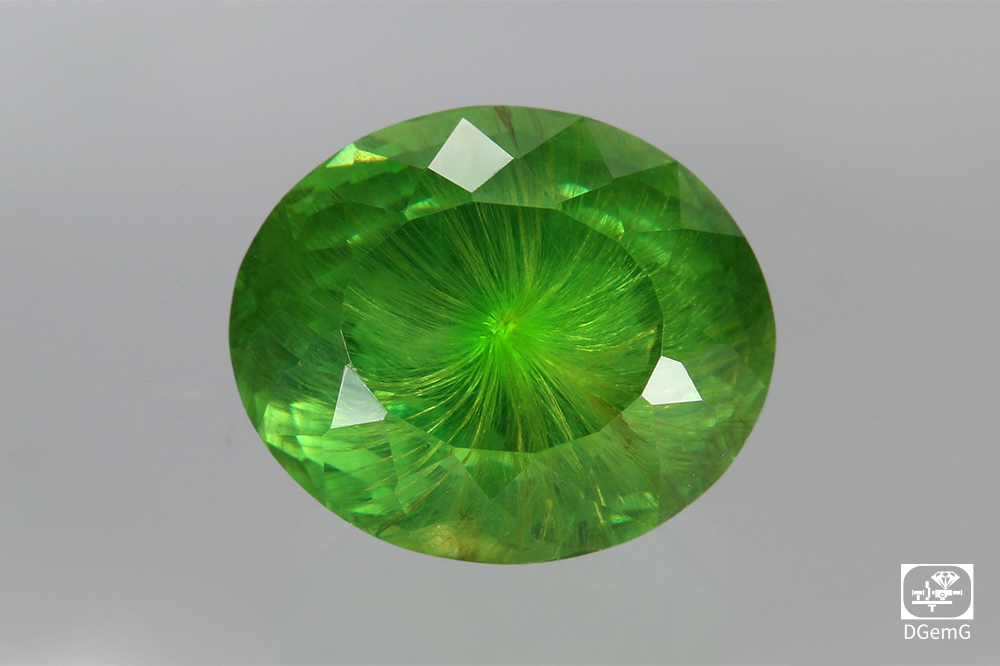
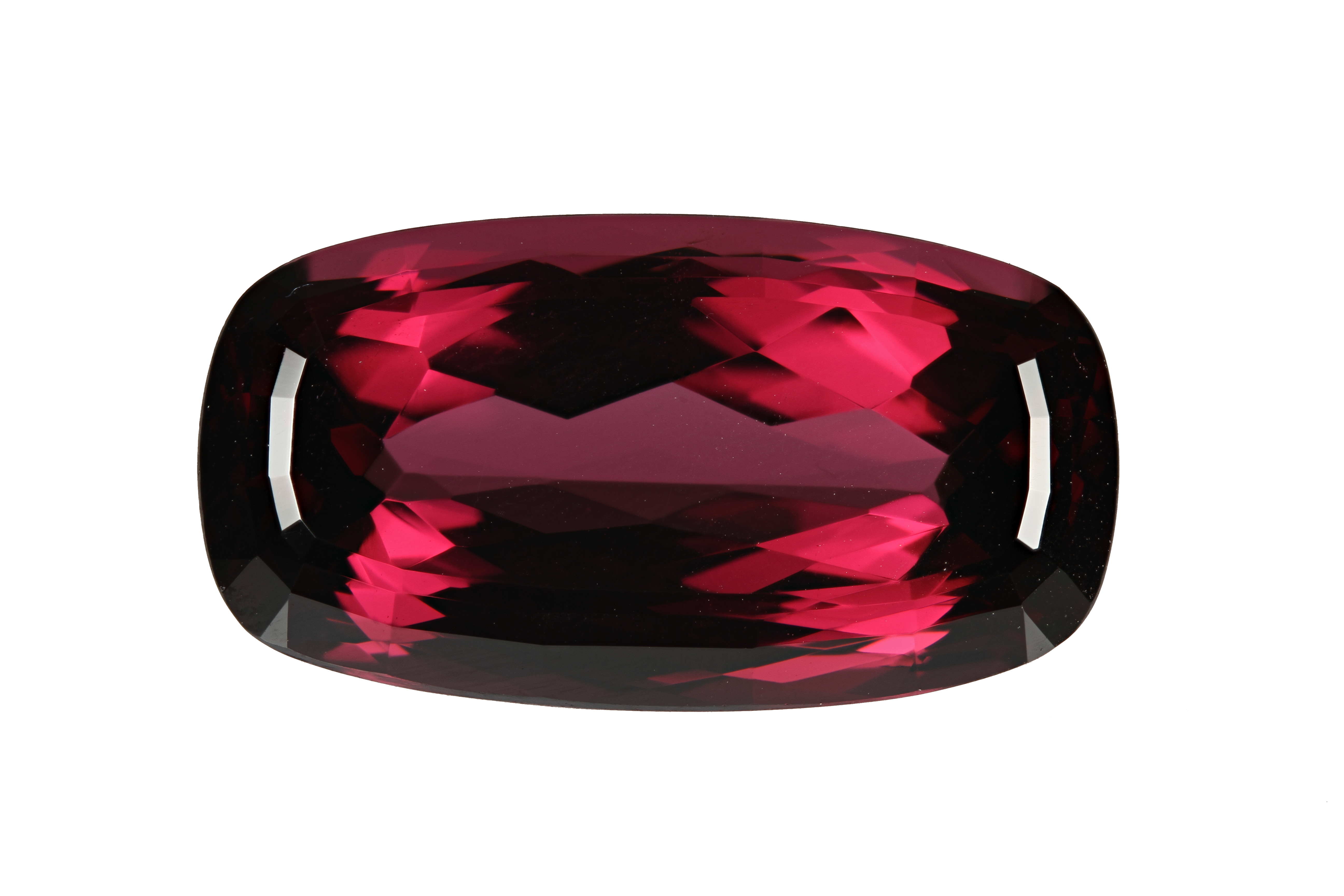
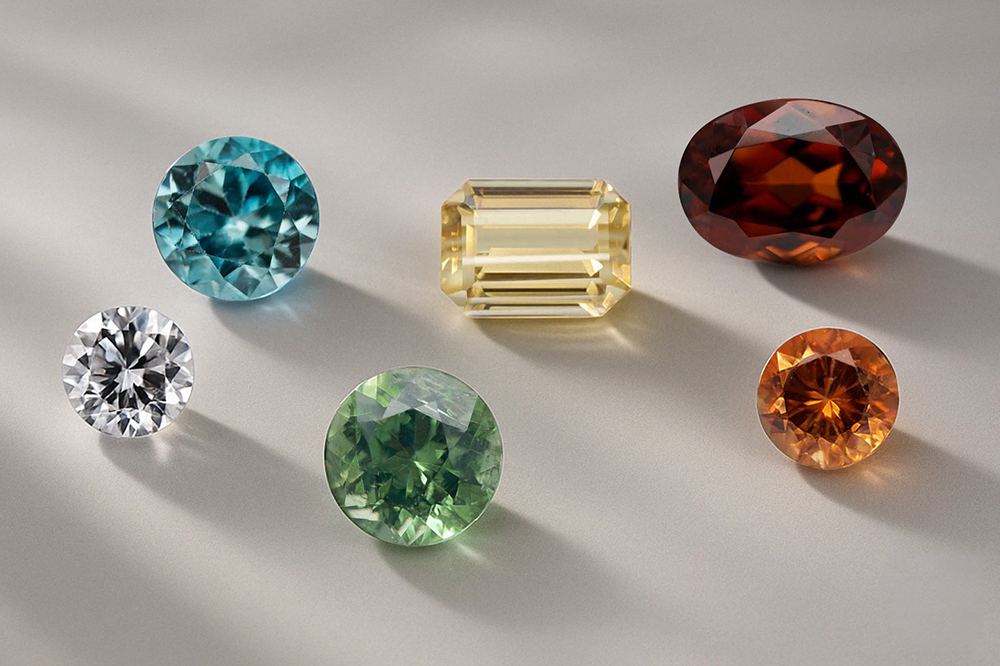
Zircons come in a wide range of colours: colourless to almost colourless, red, brown, reddish-brown, yellow, yellowish-red, green, greenish-grey, brownish-green, yellowish-green, brownish-yellow, orange, orange-brown, blue and green-blue.
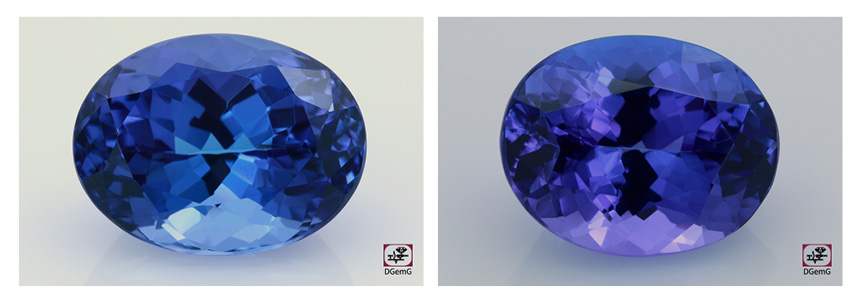
Colourless zircons are rarely found in nature, but they can be obtained from brown and reddish-brown stones by heat treatment, a process that has been known for a long time. Blue zircons also owe their bright colour to a heating process, particularly the ones from Cambodia known as Ratanakiri zircons. Another fancy name description occasionally used for blue zircons is “Starlite” (= shooting star).
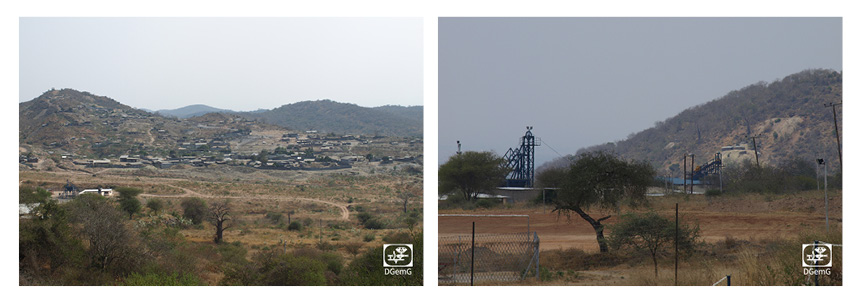
In addition to deposits in Asia, including Sri Lanka, Myanmar, Thailand and Cambodia, Madagascar, Tanzania and Australia also supply zircons of various colours for jewellery. Zircons from Tanzania, which range in colour from brown and yellow-brown to pink and pink-brown, are also known commercially as “Malaya zircons”.
Interestingly, zircon is the oldest mineral on Earth, with an age of up to 4.276 billion years.
Exceptional zircons in terms of size and quality can be found in famous collections and museums worldwide. Examples include a 23.85-carat blue stone and a 23.07-carat colourless specimen in the Hixon Collection at the Los Angeles County Museum of Natural History, and a 30-carat orange-brown faceted zircon from Tanzania at the Smithsonian Institution in Washington, D.C., USA.
Exquisite zircons and antique jewellery featuring zircon also regularly appear at auctions. Most of these are blue, such as a 57.36-carat stone that fetched US$60,000, or a necklace with blue zircons and diamonds that sold at Christie's for CHF 47,500.
Zircons of other colours have also occasionally fetched high prices, such as a 41.26-carat brownish-orange-yellow stone from Tanzania, which was set in a ring and auctioned for US$72,000.
Authors
Dr. Ulrich Henn & Dr. Tom Stephan, DGemG
© 2025